
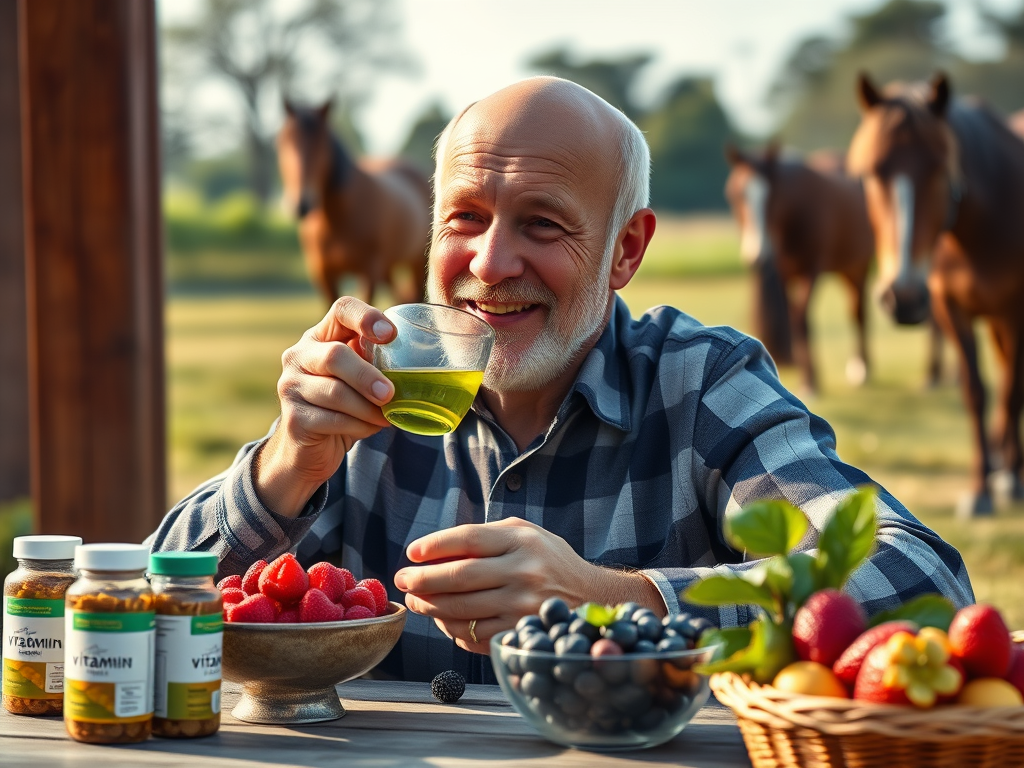
After decades of playing hide-and-seek with the healthcare system, mingling with a colorful cast of doctors, nurses, and medical wizards, each with their own bag of tricks, I’ve finally stumbled upon a routine that keeps me in tip-top shape. It was a journey full of twists, turns, and a few banana peels.
Back in the day, I was a magnet for pneumonia, bronchitis, and whatever other maladies were trending that season. Luckily, being a healthcare COO gave me access to a treasure trove of info, enough to fill a library or two. Over time, I managed to sift through it all and uncover some nuggets of wisdom.
My quest for health saw me exploring all sorts of avenues, from living the vegan life to swallowing more dietary supplements than a vitamin store, and trying out exercise routines so wacky they should’ve come with their own theme song. I even flirted with a few outlandish fads that promised to turn me into a superhero overnight.
After a gazillion missteps, I finally reached some solid conclusions, backed by studies and data, that still allow me to strut around at 73, feeling sprightlier than ever, and unlike 75% of my still living age group, I’m not visiting doctors weekly or lugging around a pharmacy’s worth of prescription drugs.
I’ve watched more than half my old classmates take the final bow and you might think I’m full of hot air, but while Hulk Hogan, Ryne Sandberg, Ozzy Osbourne, and Chuck Mangione, may they all rest in peace, left us recently at ages close to mine, I’ve discovered a secret sauce that works for me. My golden ticket? Pumping up my immune defenses, continuing my daily farm exercise routine, and mental gymnastics through gaming.
Of course, this advice might not be the magic bullet for those battling serious diseases like cancer, though a robust immune system and mental acuity never hurts. Still, these routines are my holy grail, my secret sauce for staying as lively as a caffeinated squirrel. To top it all off, since completing my research and putting together all 6 elements of my health algorithm despite spending many hours in the halls of hospitals and emergency rooms over the last 3 years, as mentioned in other blog posts, I haven’t had so much as a sniffle in my 70’s. So here are my 6 keys:
Probiotics
To kick off my day, I begin with a probiotic supplement. It’s all about ensuring that I have the right balance of beneficial bacteria in my gut, a concept that leaves the older generation in my family bewildered. They often shake their heads in disbelief, thinking it’s a bizarre modern obsession, as they simply can’t wrap their minds around the importance of gut health in today’s wellness culture!
Around 20 years ago the popularity of probiotics surged among consumers, fueled by a combination of scientific research, media coverage, and the proliferation of a diverse array of probiotic-infused products, including creamy yogurt, tangy kefir, and convenient supplements.
A comprehensive 2012 National Health Interview Survey (NHIS) revealed that approximately 4 million U.S. adults, accounting for 1.6 percent of the population, had incorporated probiotics or prebiotics into their routines within the preceding 30 days. In 2021, another survey indicated 4.5 percent of the population incorporated probiotics or prebiotics into their routines, though 1 out 3 people do not even realize things like Jerusalem artichokes and sauerkraut are pre and probiotics.
For adults, these beneficial bacteria and yeasts ranked as the third most commonly used dietary supplements, trailing only behind vitamins and minerals. Notably, the adoption of probiotics among adults experienced a dramatic fourfold increase between 2007 and 2012. The same NHIS data indicated that 300,000 children aged 4 to 17, representing 0.5 percent of that age group, had also consumed probiotics or prebiotics in the month leading up to the survey.
Probiotics and prebiotics are two essential components of nutrition that may play a significant role in supporting gut health. Probiotics consist of specific living microorganisms, predominantly beneficial bacteria or yeast, that aid the body in digesting food and may alleviate symptoms associated with certain illnesses.
While studies have shown promising results regarding the potential benefits of probiotics and prebiotics, definitive proof that they improve health and are universally safe remains elusive. The scientific community continues to investigate their efficacy, aiming to unlock the full potential of these fascinating components of our diet.
Before you consider adding supplements to your routine, consult with your healthcare professional. This step ensures that these additions align with your individual health needs and won’t interfere with any existing conditions or medications. Your healthcare provider can offer personalized advice, helping you navigate the vast array of options.
Elderberry
I also take a daily elderberry supplement. Research from the Cleveland Clinic suggests that elderberry might just be the unsung hero in the battle against the sniffles and sneezes. Apparently, if you pop these supplements at the first hint of a cold, you might shorten your time in the tissue box trenches by a few days. Who knew a berry could be your best defense against feeling like a human mucus machine?
In the world of heart health, elderberries are making their debut as potential cholesterol busters. Some test-tube studies have given them a thumbs-up, but let’s be real—test tubes aren’t exactly known for their cholesterol levels. We’re still waiting for the final verdict from human trials. Nonetheless, with their vibrant anthocyanins, these berries are strutting their stuff as possible heart disease fighters.
A separate study on non-human subjects suggested elderberries might help in lowering blood sugar and insulin levels. This could be a sweet deal for those managing diabetes, but we need human participants to confirm that elderberries aren’t just pulling a fast one on us.
Meanwhile, Washington State University (WSU) research hints that elderberry juice might be a gut’s best friend, possibly improving glucose tolerance and fat oxidation. This could be music to the ears of anyone trying to shed a few pounds—elderberry juice: the drink that helps you drop it like it’s hot!
The Center for Agroforestry’s insights add that elderberry juice might come with bonus features like anti-inflammatory properties and a potential upgrade for brain function in older adults with memory hiccups. So, if you’re of a certain age and find yourself asking, “Where did I put my keys?” consider elderberry juice as your new sidekick in the quest for cognitive sharpness.
Vitamin D
I take a Vitamin D supplement every day. The VITAL study, which sounds like a superhero team but is actually a five-year deep dive into vitamin D, discovered that popping 2,000 IU of this sunshine vitamin daily can drop your chances of getting autoimmune diseases like rheumatoid arthritis and psoriasis by a whopping 22%. But, alas, these perks vanish faster than socks in a dryer once you stop the supplements.
In a spin-off mini-study, they found vitamin D is like a tiny bodyguard for your telomeres—the little caps on the ends of your chromosomes that are basically the shoelaces of your DNA. Keep them intact, and you might just trick your body into thinking it’s younger than it is.
There’s a growing mountain of evidence suggesting that low vitamin D levels might be linked to the dreaded noodle brain, a.k.a. cognitive decline. But before you start chugging vitamin D like it’s a brain-boosting smoothie, more research is needed to see if it really sharpens those mental gears or keeps them from rusting.
Vitamin D also addresses calcium, ensuring your bones stay as solid as a rock. A shortage of it could lead to adults grumbling about bone pain and muscle woes, a condition known as osteomalacia, which sounds like a fancy Italian dish but is much less appetizing.
Green Tea
Every morning, I embark on the grand quest of sipping a piping hot cup of green tea, feeling like a zen monk on a caffeine-free mountain. I used to be a die-hard coffee fan, worshipping at the altar of its jitter-inducing power. But then I stumbled upon the wonders of green tea, and my perspective did a complete somersault. This delicate brew is like caffeine’s mellow cousin who just wants everyone to chill and have a good time while giving your immune system a gentle nudge.
According to the latest scientific gossip, green tea might just be the superhero of beverages. It’s got the potential to pump up your heart health, give cancer a run for its money, and keep your blood sugar in check, though the scientists are still scratching their heads and need more data. Apparently, it can even make your cholesterol behave itself, which might keep heart disease at bay. It’s like having a tiny health guru in a cup.
In a plot twist worthy of a daytime soap opera, green tea might lower the risk of breast, colorectal, and oral cancers. Plus, there’s some buzz about it being a secret weapon against type 2 diabetes, especially if you pair it with your daily coffee fix.
And let’s not forget the dental drama! Green Tea might just save your teeth from turning into a dental horror show by keeping those pesky bacteria and plaque at bay. A recent study in the journal Nutrients claims that when green tea is chugged alongside regular exercise, it can boost your brainpower and mood, turning you into a cheerful genius. So, if you want to sip your way to greatness, it seems that green tea is your trusty sidekick.
Exercise
While I could easily hire a team of farm minions to tackle our acreage, take on weed whipping, mowing, mulching, trimming, and every horse chore imaginable, I opt not to—and there’s a method to my madness. The exercise. Back in my sprightly days, I ran and played nearly every sport under the sun. Nowadays, I occasionally make a heroic appearance on the pickleball court, but alas, my creaky, aging bones and reluctant muscles no longer let me leap and bound like I used to.
Thanks to the brilliant minds in exercise science, we’ve learned that physical activity isn’t just about looking good in spandex shorts, which I’m afraid I don’t, it’s about keeping those pesky chronic diseases at bay, turbocharging our hearts, and giving our brains a good boost. This field of study is like the nerdy kid who grew up to be a superhero, continuously enlightening us and nudging us towards a lifestyle that’s more active and healthier—whether we like it or not!
Gaming
Research has shown that certain video games, especially those offering novel experiences in intricate three-dimensional environments, can give older adults’ memory a boost that even a double espresso can’t match. Take “Super Mario,” for example—it’s not just about jumping on turtles and collecting coins. Nope, navigating its colorful worlds and quirky challenges has been proven to enhance memory function faster than you can say “It’s-a me, Mario!”
These games are like a mental gym for the golden-agers, challenging their cognitive abilities and potentially giving Father Time a run for his money. Players flex their brain muscles, improving processing speed and sharpening working memory, all while saving princesses and dodging pixelated pitfalls.
Video games are my secret weapon in the battle against cognitive decline, helping maintain or even improve mental faculties while sparking joy. Plus, they offer a booming social scene—whether it’s online multiplayer matches or local gaming meet-ups.
Picture Papa Astar with his headset on every night. While playing with family we talk about everything that happened today in Kentucky, Wisconsin, Texas and Minnesota, as my duo, trio or squad rolls through the virtual world. When we finish a game I spiritually high-five my, nephews, nieces, son-in-laws, daughters, grandchildren and soon great grandchildren, over our Victory Royales in Fortnite, and you will get the picture of my nightly chats and shared triumphs.
For those who find themselves socially isolated, these games provide an amazing sense of community and connection. Active video games, like those played on the Nintendo Wii or with the Ring Fit Adventure, double as a dance party and exercise session, enhancing balance and coordination while making fitness fun. Games that use physical controllers have players working their hand-eye coordination like they’re training for the digital Olympics—perfect for anyone with mobility challenges who wants to feel like an esports champion.
Beyond the brain and body benefits, video games offer a delightful escape from life’s daily dramas. It’s like a spa day for the mind, minus the cucumber slices. Many games bring a sense of triumph as players level up, achieve goals, and tackle obstacles, which in turn pumps up their self-esteem and confidence, like they’ve just conquered Mount Everest with a joystick.
Of course, like all good things, moderation is key. Remember to take breaks—after all, nobody wants to become a cautionary tale of overuse injuries or eye strain. Keep gaming as a healthy and beneficial pursuit, not an Olympic event. Happy gaming!
Diet and Vices
“How about my diet?” you ask with a hint of humor. Well, I’ve truly mastered the art of pan-searing a ribeye steak to medium-rare perfection. Each time, the steak sizzles in the pan, releasing a savory aroma that fills the kitchen. Meanwhile, my smoke detector seems to enjoy its role as my most reliable dinner guest, alerting the household with its high-pitched wail at the slightest hint of smoke. As the steak cooks, the rich, marbled fat slowly melts away, pooling into what cardiologists might call “that glistening pool of regret,” but I prefer to think of it as “nature’s most perfect sauce,” enhancing the flavor of the meat with its indulgent richness. At 6′ 4″, my frame carries my 230 pounds much like my trusty La-Z-Boy supports me after a hearty meal—with a groan of protest yet years of dependable service.
As for vices? Every few weeks I’ll nurse a finger of Maker’s Mark bourbon—amber as a cat’s eye and twice as judgmental—which is what I call pouring three fingers into my dead father’s cut-crystal tumbler and nursing regrets about pouring only three. As I mentioned previously, my daily indulgence is green tea, pale as a winter dawn, which I started drinking after my daughter left a pamphlet titled “So You’re Going to Die Soon” on my mahogany coffee table between the TV Guide and my reading glasses. Three times a year, I’ll smoke a Cohiba Esplendido Cuban cigar, wreathing my back porch in clouds that smell like toasted cedar and sin, an event my old Minnesota neighbors once marked on their calendars as “National Close Your Windows Day.”
Health Conclusion
I know what works for me, not you! Nevertheless, there you have it. My indispensable six-pack of health: probiotics, elderberry, vitamin D, green tea, exercise, and gaming. Why do I swear by these, you ask? Well, even a seasoned skeptic like myself—who can spot nonsense from a mile away—has been wooed by the mountain of data and studies which focus on pumping up your immune system. These elements offer me a foolproof plan to outsmart the sneaky hurdles of living long and prosperously.
After all is said and done, who wouldn’t want a life where your gambling background led you to data that tells you what to do to avoid some of the most common ways to die in old age, such as pneumonia and other respiratory illnesses, and where eating what you want and gaming is a health strategy?
 Old Man Pondering
Leave a comment