
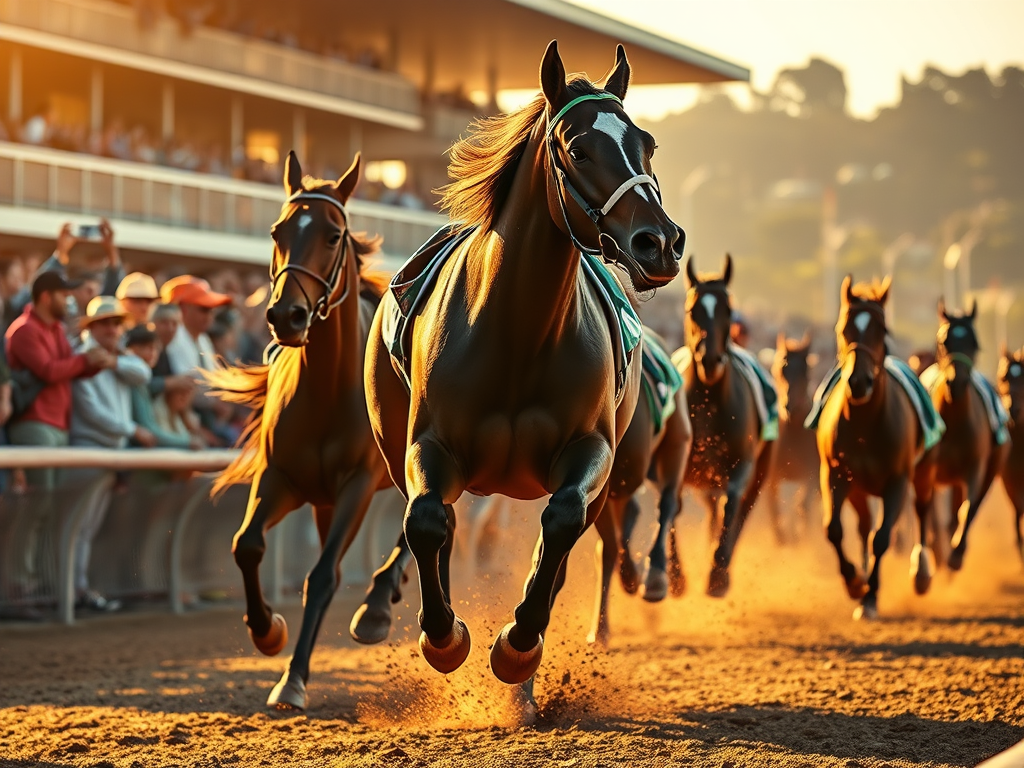
Ah, we’ve galloped headlong into the Triple Crown Season, folks! Sovereignty strutted his stuff and nabbed the Derby, while Journalism, bless his clumsy hooves, managed to overcome an obstacle course worthy of a circus act to snag the Preakness. I had Journalism pegged as the top dog—er, horse—in both races, and despite his penchant for dramatic flair, I still reckon he’s the superstar of the three-year-old scene.
When I was seven, I first crouched at the edge of a sunbaked track, the sweet smell of hay and horses thick in the air, a worn racing form in my small hands. Even then, I absorbed every line of data—post positions, past performances, fractional times—and within months, I was showing the neighborhood how to read a form like a map to hidden treasure. Decades of spilled coffee, late-night scribbling, and trial-and-error taught me to refine those raw observations into a calibrated system of predictive probability. The victories piled up, my bankroll grew, and yet I still wish I’d unlocked some of the racetrack’s deeper secrets before my hair began its exodus in the eighties.
Over the years, I’ve lost count of eager faces pressing me for the secret to picking winners. Every time, I lean in and ask: “Do you really want to know?” That question is my litmus test. After fifty years of peeling back layers of variation theory, data science and betting science, there are no quick formulas—only complex models, real-time adjustments, and the discipline to stick to them. Even with my predictive algorithms automated into sleek software, turning a profit at the windows demands serious time, constant vigilance, and the willingness to adjust on the fly. It’s maddening to hear would-be gamblers demand a ten-minute shortcut to guaranteed winners.
Most of what I eventually discovered about racing wasn’t in the dusty tomes on common theory; it lay in advanced statistical science—the same predictive-analysis tools I’d honed running corporations. There’s no magic fairy dust for understanding variation or Bayesian probability. Learning to see the racetrack through that lens is like learning a new language: it takes years of study and practice.
When people finally admit they “really” want to know, I give them fifteen minutes—and then watch their eyes glaze over when I shift the conversation from naming horses to constructing a profitable betting portfolio. They’re stunned when I tell them they’re asking the wrong question. They think they want to pick winners; what they truly crave is money in their pocket. Picking winners and making money on the track are not the same thing. To come out ahead, you must identify value bets—horses whose true chances of victory exceed the odds being offered.
Probability theory rules every furlong of the racetrack. Anyone who masters predictive probability and distinguishes common-cause variation from truly exceptional performances becomes a dangerous adversary to the house and to casual bettors alike. Savvy gamblers often back against the chalk favorite because when the tote board’s payoff odds are lower than the horse’s actual win probability, the ticket is a guaranteed loser over time.
I’ll unravel these concepts over time, chapter by chapter. But I know most people don’t really want to learn the rigorous science of profitable wagering—just as most entrepreneurs don’t want the hard work of running a healthy business. They seek a silver bullet or a cosmic shortcut to glory. I hate to break it to them: that’s a mirage. The real path to winning at the track is a long haul—no quick fixes, no pixie dust, just disciplined study and disciplined betting.
 Old Man Pondering
Leave a comment