• Reflections on Loss and Humanity in Tragic Times

    Twenty-three years ago today, I stood at a hotel window in Burlington, Vermont, watching the impossible unfold on a small television while the mountains outside remained eerily peaceful. My meeting—originally scheduled for Tower One of the World Trade Center—never happened. Instead, our meeting site was changed, so I spent a week in that quiet New England town, surrounded by strangers who became instant family as we all stared at phones and skies empty of contrails.

    Now I watch another tragedy unfold—the Kirk children, barely old enough to form memories, reaching for a father who will never return. Their tiny fingers grasping at empty air taps something fundamental in me. I look at photos of my own grandchildren and great grandchildren—twelve beautiful souls who have never known such loss—and feel both profound gratitude and unbearable weight.

    I’ve always been an independent and believed in listening across divides, in finding humanity beneath disagreement. Today, as hateful words fly while a family grieves, I wonder if we’ve forgotten that beneath our opinions and politics, we are first and always each other’s keepers. How can hearts that claimed to beat with compassion now pulse with such venom?

    Yes, my heart aches today. Family is our beating heart, our sacred trust. Even as bitter words fly across social media today, I pray we might remember our shared humanity—that beneath our disagreements, we all know the sound of a child crying for someone who’s gone forever, and act accordingly.

    Such is life I’m afraid.

  • Am I Part of the Problem? The True Cost of Freedom: A Parent’s Dilemma

    Today, we talked to our one daughter and grandchildren who live in Minneapolis three different times.

    Every August, as yellow buses rumble back onto suburban streets, I post my outrage, then scroll to the next distraction. I own stock in companies that manufacture the very weapons I condemn. I vote for perfectly coiffed politicians who offer “thoughts and prayers” in cream-colored press releases while pocketing donations from lobbyists in wood-paneled rooms I’ll never enter.

    Right now, parents are tucking Batman sheets around squirming bodies across America, their fingers lingering an extra second on small shoulders. Outside, the moon casts silver light on abandoned swing sets while I sit at my lap-top, wondering if absolute freedom and absolute safety can ever coexist in this fractured country. Baseball gloves with loosened laces will gather dust in garages while we debate abstract constitutional principles on glowing screens. Christmas lists will remain forever unwritten while I struggle to reconcile my belief in individual rights with the blood-soaked cost of those rights. I’m left questioning whether my own children’s, grandchildren’s, and great-grandchildren’s theoretical freedom is worth the warm, solid weight of someone else’s child, now gone.

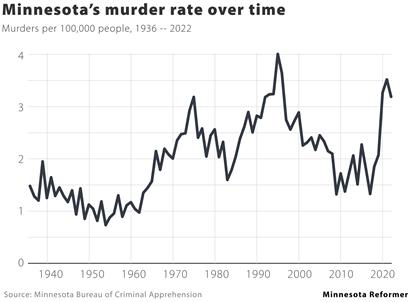
    Society has undergone profound changes that create something I call a behavioral contagion of ignorance. Minneapolis now faces the heartbreaking reality of over 70 homicides annually. The Minnesota murder rate has more than tripled, rising 240% since the 1950s when I was a child!

    I know every morning mothers, including my four daughters and granddaughters, straighten little collars while their husbands zip up backpacks. I know their throats tighten with the unspoken question that haunts me too: Is today going to be Okay for my child? THIS CANNOT—WILL NOT—CONTINUE TO BE OUR REALITY. But then I look at my voting record. I look at my investment portfolio. What am I willing to sacrifice to change it?

  • Boost Your Immune System: My Journey to Better Health

    After decades of playing hide-and-seek with the healthcare system, mingling with a colorful cast of doctors, nurses, and medical wizards, each with their own bag of tricks, I’ve finally stumbled upon a routine that keeps me in tip-top shape. It was a journey full of twists, turns, and a few banana peels.

    Back in the day, I was a magnet for pneumonia, bronchitis, and whatever other maladies were trending that season. Luckily, being a healthcare COO gave me access to a treasure trove of info, enough to fill a library or two. Over time, I managed to sift through it all and uncover some nuggets of wisdom.

    My quest for health saw me exploring all sorts of avenues, from living the vegan life to swallowing more dietary supplements than a vitamin store, and trying out exercise routines so wacky they should’ve come with their own theme song. I even flirted with a few outlandish fads that promised to turn me into a superhero overnight.

    After a gazillion missteps, I finally reached some solid conclusions, backed by studies and data, that still allow me to strut around at 73, feeling sprightlier than ever, and unlike 75% of my still living age group, I’m not visiting doctors weekly or lugging around a pharmacy’s worth of prescription drugs.

    I’ve watched more than half my old classmates take the final bow and you might think I’m full of hot air, but while Hulk Hogan, Ryne Sandberg, Ozzy Osbourne, and Chuck Mangione, may they all rest in peace, left us recently at ages close to mine, I’ve discovered a secret sauce that works for me. My golden ticket? Pumping up my immune defenses, continuing my daily farm exercise routine, and mental gymnastics through gaming.

    Of course, this advice might not be the magic bullet for those battling serious diseases like cancer, though a robust immune system and mental acuity never hurts. Still, these routines are my holy grail, my secret sauce for staying as lively as a caffeinated squirrel. To top it all off, since completing my research and putting together all 6 elements of my health algorithm despite spending many hours in the halls of hospitals and emergency rooms over the last 3 years, as mentioned in other blog posts, I haven’t had so much as a sniffle in my 70’s. So here are my 6 keys:

    Probiotics

    To kick off my day, I begin with a probiotic supplement. It’s all about ensuring that I have the right balance of beneficial bacteria in my gut, a concept that leaves the older generation in my family bewildered. They often shake their heads in disbelief, thinking it’s a bizarre modern obsession, as they simply can’t wrap their minds around the importance of gut health in today’s wellness culture!

    Around 20 years ago the popularity of probiotics surged among consumers, fueled by a combination of scientific research, media coverage, and the proliferation of a diverse array of probiotic-infused products, including creamy yogurt, tangy kefir, and convenient supplements.

    A comprehensive 2012 National Health Interview Survey (NHIS) revealed that approximately 4 million U.S. adults, accounting for 1.6 percent of the population, had incorporated probiotics or prebiotics into their routines within the preceding 30 days. In 2021, another survey indicated 4.5 percent of the population incorporated probiotics or prebiotics into their routines, though 1 out 3 people do not even realize things like Jerusalem artichokes and sauerkraut are pre and probiotics.

    For adults, these beneficial bacteria and yeasts ranked as the third most commonly used dietary supplements, trailing only behind vitamins and minerals. Notably, the adoption of probiotics among adults experienced a dramatic fourfold increase between 2007 and 2012. The same NHIS data indicated that 300,000 children aged 4 to 17, representing 0.5 percent of that age group, had also consumed probiotics or prebiotics in the month leading up to the survey.

    Probiotics and prebiotics are two essential components of nutrition that may play a significant role in supporting gut health. Probiotics consist of specific living microorganisms, predominantly beneficial bacteria or yeast, that aid the body in digesting food and may alleviate symptoms associated with certain illnesses.

    While studies have shown promising results regarding the potential benefits of probiotics and prebiotics, definitive proof that they improve health and are universally safe remains elusive. The scientific community continues to investigate their efficacy, aiming to unlock the full potential of these fascinating components of our diet.

    Before you consider adding supplements to your routine, consult with your healthcare professional. This step ensures that these additions align with your individual health needs and won’t interfere with any existing conditions or medications. Your healthcare provider can offer personalized advice, helping you navigate the vast array of options.

    Elderberry

    I also take a daily elderberry supplement. Research from the Cleveland Clinic suggests that elderberry might just be the unsung hero in the battle against the sniffles and sneezes. Apparently, if you pop these supplements at the first hint of a cold, you might shorten your time in the tissue box trenches by a few days. Who knew a berry could be your best defense against feeling like a human mucus machine?

    In the world of heart health, elderberries are making their debut as potential cholesterol busters. Some test-tube studies have given them a thumbs-up, but let’s be real—test tubes aren’t exactly known for their cholesterol levels. We’re still waiting for the final verdict from human trials. Nonetheless, with their vibrant anthocyanins, these berries are strutting their stuff as possible heart disease fighters.

    A separate study on non-human subjects suggested elderberries might help in lowering blood sugar and insulin levels. This could be a sweet deal for those managing diabetes, but we need human participants to confirm that elderberries aren’t just pulling a fast one on us.

    Meanwhile, Washington State University (WSU) research hints that elderberry juice might be a gut’s best friend, possibly improving glucose tolerance and fat oxidation. This could be music to the ears of anyone trying to shed a few pounds—elderberry juice: the drink that helps you drop it like it’s hot!

    The Center for Agroforestry’s insights add that elderberry juice might come with bonus features like anti-inflammatory properties and a potential upgrade for brain function in older adults with memory hiccups. So, if you’re of a certain age and find yourself asking, “Where did I put my keys?” consider elderberry juice as your new sidekick in the quest for cognitive sharpness.

    Vitamin D

    I take a Vitamin D supplement every day. The VITAL study, which sounds like a superhero team but is actually a five-year deep dive into vitamin D, discovered that popping 2,000 IU of this sunshine vitamin daily can drop your chances of getting autoimmune diseases like rheumatoid arthritis and psoriasis by a whopping 22%. But, alas, these perks vanish faster than socks in a dryer once you stop the supplements.

    In a spin-off mini-study, they found vitamin D is like a tiny bodyguard for your telomeres—the little caps on the ends of your chromosomes that are basically the shoelaces of your DNA. Keep them intact, and you might just trick your body into thinking it’s younger than it is.

    There’s a growing mountain of evidence suggesting that low vitamin D levels might be linked to the dreaded noodle brain, a.k.a. cognitive decline. But before you start chugging vitamin D like it’s a brain-boosting smoothie, more research is needed to see if it really sharpens those mental gears or keeps them from rusting.

    Vitamin D also addresses calcium, ensuring your bones stay as solid as a rock. A shortage of it could lead to adults grumbling about bone pain and muscle woes, a condition known as osteomalacia, which sounds like a fancy Italian dish but is much less appetizing.

    Green Tea

    Every morning, I embark on the grand quest of sipping a piping hot cup of green tea, feeling like a zen monk on a caffeine-free mountain. I used to be a die-hard coffee fan, worshipping at the altar of its jitter-inducing power. But then I stumbled upon the wonders of green tea, and my perspective did a complete somersault. This delicate brew is like caffeine’s mellow cousin who just wants everyone to chill and have a good time while giving your immune system a gentle nudge.

    According to the latest scientific gossip, green tea might just be the superhero of beverages. It’s got the potential to pump up your heart health, give cancer a run for its money, and keep your blood sugar in check, though the scientists are still scratching their heads and need more data. Apparently, it can even make your cholesterol behave itself, which might keep heart disease at bay. It’s like having a tiny health guru in a cup.

    In a plot twist worthy of a daytime soap opera, green tea might lower the risk of breast, colorectal, and oral cancers. Plus, there’s some buzz about it being a secret weapon against type 2 diabetes, especially if you pair it with your daily coffee fix.

    And let’s not forget the dental drama! Green Tea might just save your teeth from turning into a dental horror show by keeping those pesky bacteria and plaque at bay. A recent study in the journal Nutrients claims that when green tea is chugged alongside regular exercise, it can boost your brainpower and mood, turning you into a cheerful genius. So, if you want to sip your way to greatness, it seems that green tea is your trusty sidekick.

    Exercise

    While I could easily hire a team of farm minions to tackle our acreage, take on weed whipping, mowing, mulching, trimming, and every horse chore imaginable, I opt not to—and there’s a method to my madness. The exercise. Back in my sprightly days, I ran and played nearly every sport under the sun. Nowadays, I occasionally make a heroic appearance on the pickleball court, but alas, my creaky, aging bones and reluctant muscles no longer let me leap and bound like I used to.

    Thanks to the brilliant minds in exercise science, we’ve learned that physical activity isn’t just about looking good in spandex shorts, which I’m afraid I don’t, it’s about keeping those pesky chronic diseases at bay, turbocharging our hearts, and giving our brains a good boost. This field of study is like the nerdy kid who grew up to be a superhero, continuously enlightening us and nudging us towards a lifestyle that’s more active and healthier—whether we like it or not!

    Gaming

    Research has shown that certain video games, especially those offering novel experiences in intricate three-dimensional environments, can give older adults’ memory a boost that even a double espresso can’t match. Take “Super Mario,” for example—it’s not just about jumping on turtles and collecting coins. Nope, navigating its colorful worlds and quirky challenges has been proven to enhance memory function faster than you can say “It’s-a me, Mario!”

    These games are like a mental gym for the golden-agers, challenging their cognitive abilities and potentially giving Father Time a run for his money. Players flex their brain muscles, improving processing speed and sharpening working memory, all while saving princesses and dodging pixelated pitfalls.

    Video games are my secret weapon in the battle against cognitive decline, helping maintain or even improve mental faculties while sparking joy. Plus, they offer a booming social scene—whether it’s online multiplayer matches or local gaming meet-ups.

    Picture Papa Astar with his headset on every night. While playing with family we talk about everything that happened today in Kentucky, Wisconsin, Texas and Minnesota, as my duo, trio or squad rolls through the virtual world. When we finish a game I spiritually high-five my, nephews, nieces, son-in-laws, daughters, grandchildren and soon great grandchildren, over our Victory Royales in Fortnite, and you will get the picture of my nightly chats and shared triumphs.

    For those who find themselves socially isolated, these games provide an amazing sense of community and connection. Active video games, like those played on the Nintendo Wii or with the Ring Fit Adventure, double as a dance party and exercise session, enhancing balance and coordination while making fitness fun. Games that use physical controllers have players working their hand-eye coordination like they’re training for the digital Olympics—perfect for anyone with mobility challenges who wants to feel like an esports champion.

    Beyond the brain and body benefits, video games offer a delightful escape from life’s daily dramas. It’s like a spa day for the mind, minus the cucumber slices. Many games bring a sense of triumph as players level up, achieve goals, and tackle obstacles, which in turn pumps up their self-esteem and confidence, like they’ve just conquered Mount Everest with a joystick.

    Of course, like all good things, moderation is key. Remember to take breaks—after all, nobody wants to become a cautionary tale of overuse injuries or eye strain. Keep gaming as a healthy and beneficial pursuit, not an Olympic event. Happy gaming!

    Diet and Vices

    “How about my diet?” you ask with a hint of humor. Well, I’ve truly mastered the art of pan-searing a ribeye steak to medium-rare perfection. Each time, the steak sizzles in the pan, releasing a savory aroma that fills the kitchen. Meanwhile, my smoke detector seems to enjoy its role as my most reliable dinner guest, alerting the household with its high-pitched wail at the slightest hint of smoke. As the steak cooks, the rich, marbled fat slowly melts away, pooling into what cardiologists might call “that glistening pool of regret,” but I prefer to think of it as “nature’s most perfect sauce,” enhancing the flavor of the meat with its indulgent richness. At 6′ 4″, my frame carries my 230 pounds much like my trusty La-Z-Boy supports me after a hearty meal—with a groan of protest yet years of dependable service.

    As for vices? Every few weeks I’ll nurse a finger of Maker’s Mark bourbon—amber as a cat’s eye and twice as judgmental—which is what I call pouring three fingers into my dead father’s cut-crystal tumbler and nursing regrets about pouring only three. As I mentioned previously, my daily indulgence is green tea, pale as a winter dawn, which I started drinking after my daughter left a pamphlet titled “So You’re Going to Die Soon” on my mahogany coffee table between the TV Guide and my reading glasses. Three times a year, I’ll smoke a Cohiba Esplendido Cuban cigar, wreathing my back porch in clouds that smell like toasted cedar and sin, an event my old Minnesota neighbors once marked on their calendars as “National Close Your Windows Day.”

    Health Conclusion

    I know what works for me, not you! Nevertheless, there you have it. My indispensable six-pack of health: probiotics, elderberry, vitamin D, green tea, exercise, and gaming. Why do I swear by these, you ask? Well, even a seasoned skeptic like myself—who can spot nonsense from a mile away—has been wooed by the mountain of data and studies which focus on pumping up your immune system. These elements offer me a foolproof plan to outsmart the sneaky hurdles of living long and prosperously.

    After all is said and done, who wouldn’t want a life where your gambling background led you to data that tells you what to do to avoid some of the most common ways to die in old age, such as pneumonia and other respiratory illnesses, and where eating what you want and gaming is a health strategy?

  • Responsibility? Respect? Advice?

    For weeks, I’ve been mulling over the post you’re about to dive into. Should I be my unapologetically honest self, or slap a layer of sugar on my words to fit into the molasses-drenched commentary of today’s so-called enlightened society? I went with the former, so if you can’t handle it, well, that’s just too damn bad!

    These days, I witness things that used to be labeled as utter nonsense now being embraced as everyday behavior, and heaven forbid anyone criticizes them because, apparently, the critics have no idea what the so-called “afflicted” are experiencing. The most ridiculous thing I’ve seen lately is the whole hullabaloo about people being perpetually late. Instead of calling them inconsiderate jerks for making everyone else wait—the folks who can actually read a flipping clock—we now have a brand-new mental health issue dubbed time blindness. What a load of BS.

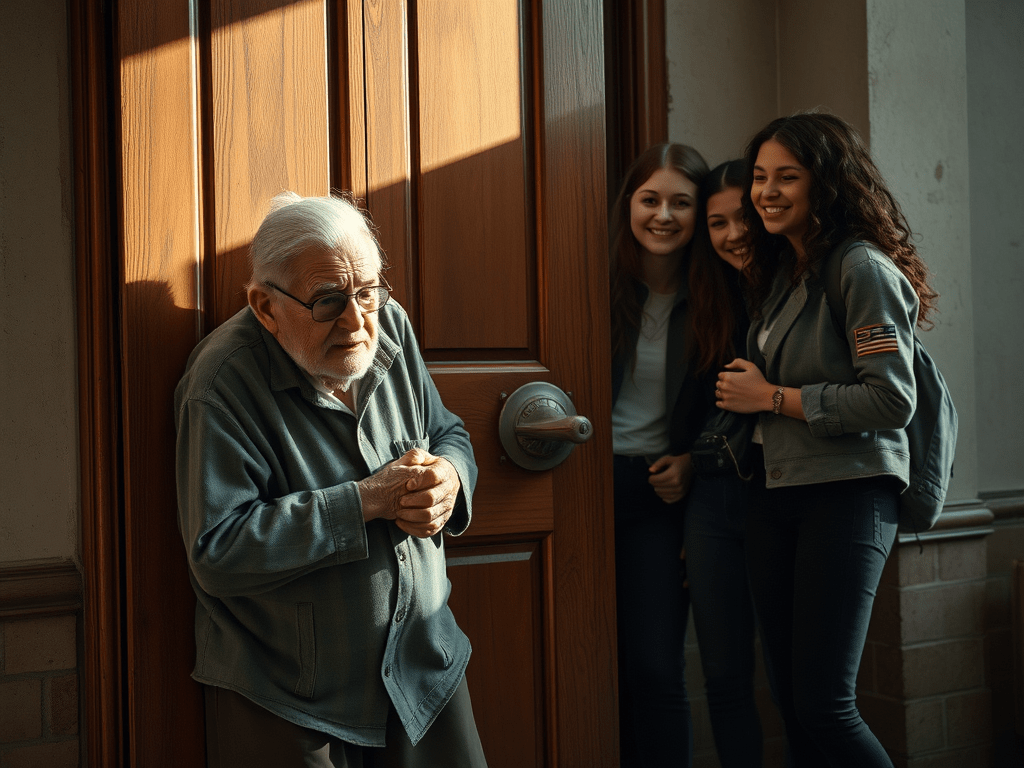
    Whether it’s the 20-year-old kid with his headphones blasting who lets a heavy wooden door slam in the face of an 80-year-old Vietnam veteran—cane clacking against cracked pavement, plastic grocery bags cutting into his trembling fingers—while his frail wife leans on his shoulder, too exhausted even to protest. Or the cluster of Gen-Z teens gathered by the convenience-store window, their laughter high and brittle as they snicker at Granny’s shimmering, synthetic wig—a valiant crown forged from polyester fibers after four brutal rounds of chemo left her hair as thin as her resolve and her savings account nearly empty.

    The tragedy is not just the cruelty, but the blinkered self-absorption behind it: today’s young often seem convinced that only their own narrow sphere of concerns has any weight. So if that battle-scarred old man didn’t somehow earn respect from that smart-mouthed punk, why should he bother holding the door? Never mind that the veteran spent eight years crossing rice paddies and dodging mortar rounds, returned home wearing a tarnished Purple Heart, raised four children who in turn raised sixteen grandchildren, testified before Congress about the nightmares of war, and survived seven decades of protests, trials, the Cuban Missile Crisis, and heartbreak that no Instagram story could ever capture. None of that matters when some little punk ass has his world fitting inside a smartphone screen, and his biggest issues are the latest celebrity feud or trending hashtag.

    Meanwhile, every tick of the 24-hour news cycle thrives on the sensational: “BREAKING: Jury deliberations continue in the Diddy sexual-assault trial!” flashes the chyron, followed by “Are fireworks safe? Seven missing in California blast!” With every anchor’s perfectly coiffed head and illuminated studio set, they stretch isolated incidents—data points plucked like ripe fruit—into grand narratives to feed silly emotional reactions and insatiable appetites for outrage.

    Rather than spend a full 15 minutes on these headlines, as networks did at the top of their news segments last night, here’s what I conclude based on historical records, legal transcripts, and medical studies:

    1. Sean “Diddy” Combs: a manipulative, entitled figure whose alleged actions inflict real harm—and whose celebrity status too often shadows the voices of survivors. He deserves nothing but silence from our airwaves while the broader epidemic of sexual assault remains underreported.

    2. Fireworks: beautiful, enthralling, lethal. Their danger is no surprise; backyard pyrotechnics have maimed and killed ever since we first sparked gunpowder.

    3. Responsibility—and the stark consequences of shirking it—has always been, and will always be, at the heart of every social ill.

    That’s what the systemic data indicates, and my 30 second report is done.

    You see news, and wasteful attention, confuses the importance of the understanding of responsibility and importance of issues, like being late for meetings!

    Reflect for a second on marriage: In an earlier post, I wrote that 40 percent of first marriages end in divorce, while 60–67 percent of second marriages falter, even though marriage arguably ranks as the most consequential choice in a person’s life. The weight of that commitment—two lives intertwined, children whose every tear and triumph hinges on their parents’ unity—ought to demand the utmost seriousness. Yet for many, divorce is a quick formality: a signature on paper rather than a soul-level sacrifice. Rarely does the current generation respect those who have weathered decades of contention, who have bowed to forgiveness and rebuilt trust from fractured promises.

    Consider these cold, hard facts: 80 percent of rapists hail from fatherless homes; 70 percent of juveniles in state facilities grew up without a father; 85 percent of incarcerated youth share that same absence; and 71 percent of teen pregnancies involve single parents. These aren’t opinions—they’re statistical echoes of shattered family structures.

    So let’s drop the excuses. The frontal lobe—the brain’s headquarters for judgment, planning, and impulse control—doesn’t finish wiring itself until around age 25. In plain English: your asinine little quest for “self-discovery,” your weekend retreats to the Amazon, your soul-searching manifestos on social media—save them for before you say “I do,” before you sign those papers that bind you to another life, before you promise to nurture a child. Because once you make those vows, you better be tethered for life—to every decision, every misstep, every stubborn refusal to grow up. In other words, “Take Frickin Responsibility” and even more importantly respect those who have!

    Perfection in marriage doesn’t exist. Those who celebrate decades together are really celebrating forgiveness, sacrifice, the unglamorous art of moving forward in spite of mistakes—traits I’ve watched flourish in my four married daughters, each of whom has honored loyalty and taken responsibility above all. It’s a legacy that traces back to my great-grandfather, born in Düsseldorf in 1879, a man whose own trials of immigration, war, and hardship forged a family tree steeped in character and the ability to sacrifice.

    So yes, I’m sorry if you never had role models in your life who demonstrated the character traits of those who take responsibility, but your children and future generations should not suffer because of you. Fix it and know there are those of us who get it and know better.

    Well, my rant is almost over but to summarize:

    We demand that you sacrifice to live up to your responsibilities! We demand that you respect your elders, not only because they’ve seen and likely forgotten more than you will ever know, but because they took responsibility in their lives! We demand that you show up for meetings on time! We demand that you demand respect for yourself, first and foremost—because the real test of maturity is recognizing that life’s greatest responsibilities begin long before you may ready! And lastly, we demand that you start ignoring the BS rained down upon by the moronic media and start focusing on the truly important responsibilities in life!

  • Pace and Probability: Betting Insights for Horse Racing

    I previously unveiled the 10 golden rules for horse‐race handicapping. Today, I’ll conclude this series by revealing the general formulas behind the system that works for me.

    First, pace. Picture the thunder of hooves as horses burst from the gate—their early fractions define the race’s rhythm. I start by collecting each runner’s early‐pace figure and then calculate the average early‐pace for the entire field. I repeat this process for the late pace, capturing how strongly each horse finishes compared to its rivals. Many data providers now use algorithms to supply these pace factors, so the raw numbers are at your fingertips.

    Next, I measure pace differentials: the gap between an individual horse’s pace and the field’s average. A positive early‐pace differential—say a colt that rockets away from the gate faster than everyone else—often means he can dictate terms early without pressure. Conversely, a positive late‐pace differential signals a potent closer, someone who can rally around tiring front‐runners without having to fight other closers, or swing wide into clear running room.

    With these differentials in hand—for every race of each horse—I factor in speed ratings and then apply weighting for recent races. A contest run within the last month carries 18 times the influence of a race from a year ago; one from two months ago is 53 percent more significant than a race from six months back. These weights multiply each horse’s pace differentials and speed figures, emphasizing its most recent performances.

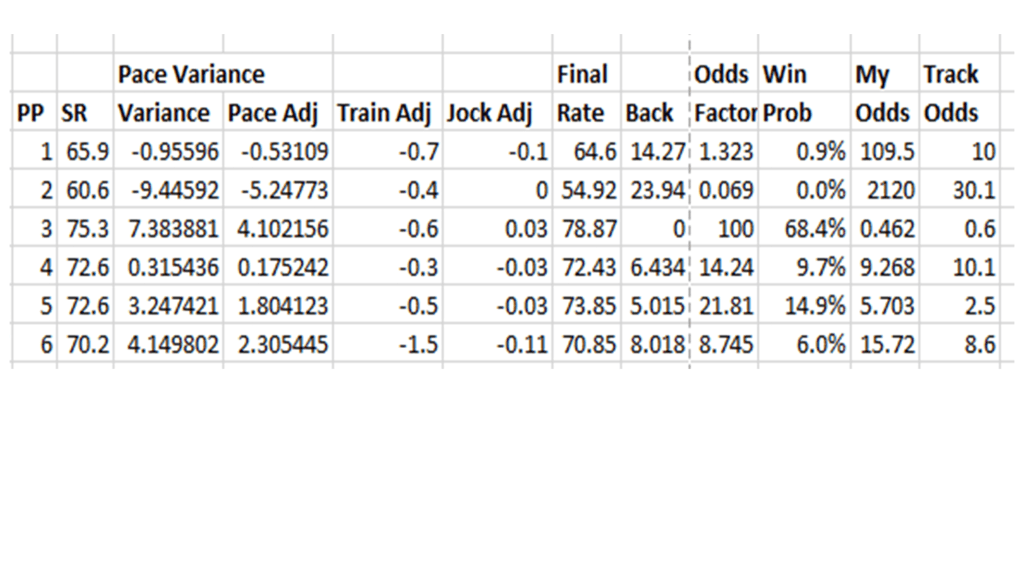
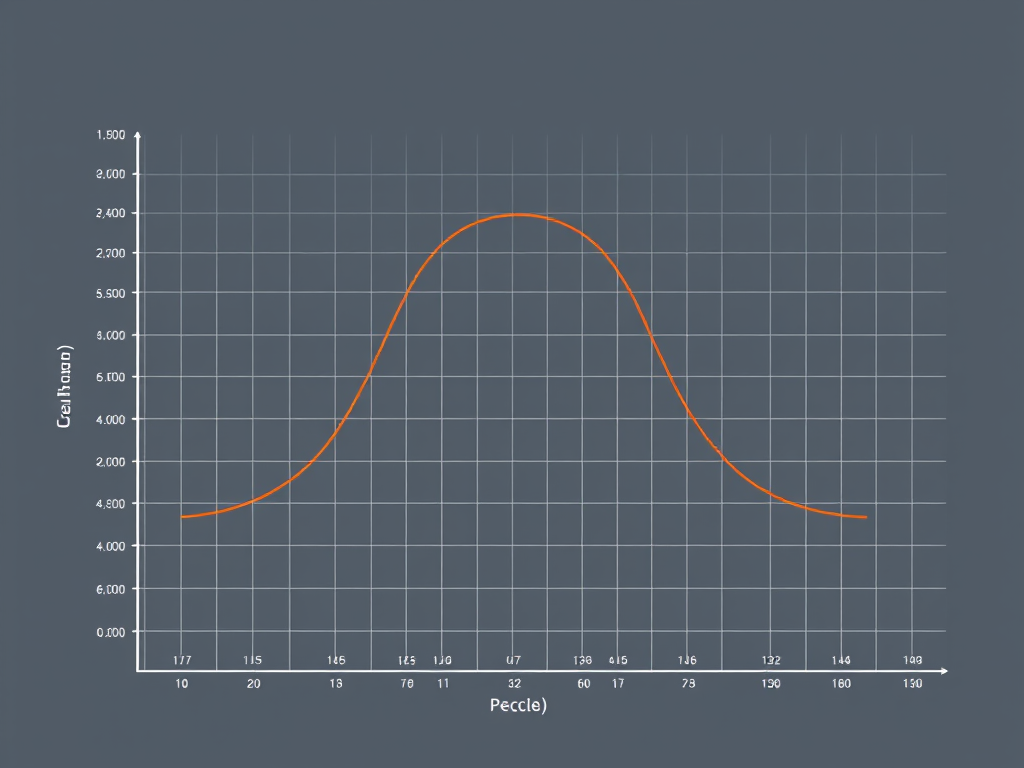
    From there, I calculate a composite horse rating. To translate that rating into a win probability, I use a convolution method that produces a bell‐shaped curve of performance around the final score. On my spreadsheet, for instance, a 79 rating corresponded to a 68 percent chance of victory, whereas a 65 rating yielded just a 1 percent chance. A simple table‐lookup function does the conversion automatically.

    Finally, I convert win probabilities into true odds by dividing the probability of losing by the probability of winning. So our 68 percent chance horse carries true odds of roughly 1 to 2 (the spreadsheet shows a factor of .462). If that colt goes off at 3 to 5 on the tote (.600), there’s an overlay of about 30 percent (.600 ÷ .462), signaling a betting opportunity.

    Last Saturday at Canterbury, the race I illustrate turned out to be the only race meeting my strict credibility criteria—and though the favorite’s payoff was modest at 3 to 5, the top three (3,5,4) finished in my predicted order, a rare treat when you understand statistical variation.

    Those, in a nutshell, are the secrets I can share. The same formulas led to the winners of this years Preakness and Belmont. (FYI, though I liked Journalism in the Derby the terribly off track made me throw that race out for not meeting my criteria.) Patience, real data (not hearsay or media spin), and a deep grasp of variation are the keys—not only to winning at horse‐racing but to all intelligent investing. Gather accurate data, transform it into actionable information, and ignore the noise by focusing on true probabilities.

    Now I’m off to the Derby City simulcast site—only one race today (the third at Churchill Downs) fits my criteria. Good luck!

  • Another Horse Racing Problem

    Just as I started sharing a few horse racing secrets in my last two posts, another underbelly issue becomes public.

    Yesterday United States (U.S.) Immigration and Customs Enforcement (ICE), along with a number of other law enforcement agencies, conducted a worksite operation at Delta Downs in Vinton, LA. It has been reported that 84 individuals, including some with criminal records, were arrested.

    Such is life in the racing industry.

  • Top 10 Tips for Successful Thoroughbred Betting

    In my previous tale of wisdom—or whatever you want to call it—I promised to spill the beans on how to hit it big in Thoroughbred horse race betting. The first juicy tidbit I shared was the art of not betting on every single race like a hyper squirrel on caffeine, but rather being as picky as a cat with a new brand of kibble. It’s all about honing in on those races run on fast tracks, stretching over 6 to 10 furlongs, which is basically a mile and a quarter for those who don’t speak horse. Why, you ask? Because these races come with a treasure trove of past performance data, making them as reliable as a GPS with a full battery. By focusing on these criteria, you can dodge wild guesses, like trying to predict if a horse that’s only known fast tracks and 6-furlong sprints will perform like a diva in the rain or a marathon runner in a mile and a quarter. This strategy lets you bet with the precision of a laser-guided missile, rather than the randomness of throwing spaghetti at a wall and seeing what sticks.

    In today’s wild and wacky world of horse racing, fans often dive into the murky waters of speculative handicapping as if they’re deciphering ancient scrolls. They obsess over pedigree information, parentage performance, and statistics like they’re trying to solve a crime on a detective show. While this might sound like a clever plan, it’s about as effective as using a chocolate teapot if your goal is to actually make some cash. Why, you ask? Because there are more races happening across the country each day than there are attempts by cats to knock things off tables! With this golden rule firmly in mind, I will trot out a simple example from a real race back in my old Minnesota stomping grounds. This should help shed some light on the basic principles of successful handicapping—or at least make you chuckle!

    I thought I’d show off my expert horse handicapping skills with the very first race from last Saturday at Canterbury Park. Why this race, you ask? Well, because it’s as simple as trying to find your way out of a one-way maze! Just six horses galloping in a 6-furlong sprint on a track smoother than a freshly ironed shirt. The conditions were so ideal, even Mother Nature would nod approvingly. With a treasure trove of 29 past performances to sift through—nearly 5 per horse—it was like trying to choose the least awkward photo for a dating profile. At least 3 races per horse to ponder.

    I delve into the world of past performances online, eagerly paying for the insights I need when I come across races that fit my specific criteria. Over time, I have explored every past performance service at my disposal, from the meticulous analyses of Thorograph to the comprehensive databases of Equibase, the intricate calculations of Ragozin, and the user-friendly interface of Brisnet, among many others. Each of these services has its own distinct advantages and drawbacks. Some, like Brisnet, rely heavily on computer-generated data, while others incorporate a blend of speed figures crafted with a touch of human expertise. After thoroughly studying the nuances between these offerings, I recommend choosing one that resonates with you and immersing yourself in its use. For the purposes of my current analysis, I am drawing upon the rich insights provided by Brisnet.

    The data is like a group of rebellious teenagers—each service has its own moody version. Yet, despite their differences, they all somehow churn out speed ratings for past performances. It’s like they’re all attending the same rebellious school where algorithms are the teachers trying to whip them into shape. These algorithms work hard to make racing info as standardized as a one-size-fits-all turtleneck, no matter if the track’s as damp as a dog’s nose or the racing conditions are as wild as a squirrel on caffeine. This magical standardization lets us compare different races and contexts.

    When I dive into handicapping, I tackle it like a chef preparing a soufflé—carefully sifting through ingredients to avoid a flat mess. My first move is to filter out past performances that don’t match today’s conditions, like deleting old selfies that no longer capture your best angle. I gleefully draw lines through every race on an off-track, turf, or artificial surfaces, and those races that were 7 furlongs or longer. Why bother with them?

    Once I’ve trimmed the fat, I zero in on a few key factors. I jot down the winning percentages of the trainer and jockey, which are like checking Yelp reviews before choosing a restaurant. Their past success gives me a peek into their prowess. I also scrutinize the horse’s running style, revealing its pace like a dance-off between tortoises and hares. Finally, I evaluate the speed ratings for each of those chosen races, which is crucial in determining if the horse is more Usain Bolt or a leisurely marathon runner.

    This streamlined strategy is as simple as pie, even when faced with 29 races. I only need to gather 12 data items about the trainer and jockey, plus an extra 3 for each of the 29 races. That’s a grand total of just 99 entries on my spreadsheet—hardly a math marathon! With the help of downloaded data files, this task becomes a cakewalk.

    Now, my worn-out and frequently deflated friends from the horse racing world often bombard me with questions about everything beyond my key factors. But guess what? They’re as relevant as a raincoat in the Sahara! From the sire’s identity to past race classifications, fractional times, and the names of the horses that once pranced on the board—it’s all inconsequential because these details are already tangled up in the algorithms that spit out the speed and pace ratings.

    And now, ladies and gentlemen, hold onto your hats because I’m about to reveal the biggest secret since sliced bread—something that was spilled decades ago but remains about as understood as quantum physics to a cat. “Pace makes the Race”! Yes, indeed, a concept I once breezed past in my youthful naïveté has since become my golden ticket to success. Horses that zip to the lead while sipping tea and nibbling on scones without any pressure often breeze past the finish line with a smug look on their faces. Likewise, the mighty closing horses, who weave through the herd like a hot knife through butter without wrestling other closers for a spot on the inside or taking a scenic route wide, also bask in glory!

    You might be scratching your head, wondering how I can claim these basics are crucial. Well, let me pull out my 60-year-old magic wand of racing wisdom and sprinkle some enlightenment. I’ve spent over six decades examining races, sharpening my tech-savvy analytical skills to spot patterns and connections where others see only a hodgepodge of stories. My core principles are like a secret sauce that outsmarts the odds set by betting pools, beating the racetrack or house take by a whopping 20%!

    In my next mind-blowing post or chapter, where my method picked the exact order of top three finishers, I’ll peek behind the curtain and reveal some of the cells in my spreadsheets, along with the formulas I use. This way, you can either set off on your own merry experimental adventure or use the insights to give your future handicapping a boost. But before that, let me sum up the ten rules that are as crucial as finding the remote in a couch cushion!

    1. Focus your handicapping exclusively on races that span a distance of 6 to 9 furlongs, as these particular lengths offer a unique credibility that makes them intriguing to analyze and limits variation.

    2. Utilize one of the renowned speed rating past performance services to collect a comprehensive array of data. These services offer detailed insights that are crucial for assessing a horse’s potential performance.

    3. Incorporate the effectiveness of both the trainer and jockey into your evaluation. The skills and strategies of those guiding the horse are pivotal factors that can significantly influence the outcome of a race.

    4. Exclude any past performances from your analysis if the distance and track conditions do not closely mirror those of today’s race. Similar conditions provide a more accurate reflection of how the horse might perform.

    5. Consistently employ pace rating data that captures both early speed and closing speed. Understanding how a horse manages different stages of the race can provide valuable insights into its overall potential against the racing field being encountered today.

    6. Consistently utilize speed rating data to gauge the horse’s velocity and stamina over the specified furlongs. This data algorithm serves as a cornerstone in predicting race outcomes.

    7. Always weigh past performances based on their recency. The more recent the performance, the more relevant it is, as it reflects the horse’s current form and fitness level.

    8. Assess the probability of a horse winning by synthesizing all the gathered data. This analysis will help you form a holistic view of the horse’s chances in the race.

    9. Determine the true odds of a horse winning and compare these with the final track odds. This comparison will guide you in deciding whether placing a bet is a strategic move.

    10. Always define your bankroll and risk taking level, and what works for me may not work for you. From entering data correctly to the creation of programmed formulas, to the methods used to weight recent races or determine probabilities, there is no such thing as a sure thing. Long term success may be realized but variation dictates that many consecutive losses are common in a sport where any horse can win at any time.

    More to come.

  • Secrets to Winning at Horse-Race Betting Revealed

    At age 73, I had a near heat stroke at an outside family event a couple days ago. Suddenly my head was pounding, my heart rate jumped well beyond the norm, my own voice echoed in my ears every time I tried to speak and my blood pressure spiked. Of course, I joked with those at my table that I was the oldest guy at the event, and tried to get my granddaughters to go ask the other graybeards how old they were just for fun, but there I was standing in the sun drinking alcohol like an idiot. Luckily I now wear a watch that reads back my vitals at a moments notice. So as I wandered to my car to lay back in the air conditioning until my temperature and vitals returned to normal, I thought about some of the things I have learned but never shared.

    Today I’ve decided to start lifting the curtain on my most closely guarded secrets for winning at horse-race betting. If you’ve been following my blog, you already know about the power of statistics, the art of measuring variation, and the unforgiving logic of probabilities. You’ve learned how to sniff out good risks and avoid the siren song of blind chance. But until now, I’ve held back the juiciest morsels of wisdom—because most people, even relatives, prefer quick shortcuts to the steadfast patience and iron determination this game demands. (No one really cared why I told them on social media to bet Journalism before the Preakness or Sovereignty before the Belmont.)

    Years ago, picture us in the grandstands, season-ticket holders at the same dusty track week after week. The afternoon sun slants across the rails, the horses paw at the ground, and the announcer’s voice booms overhead. Beside me sits a young man with more enthusiasm than skill. He pesters me relentlessly: “Who are you betting today? How do you decide?” Never one to be a complete jerk, I sketch out my reasoning: this colt’s stride is smooth, his owner trains winners, the morning line pegs him as a 2-to-1 favorite. Yet time after time, he stubbornly ignores my picks and throws his money at the longshots—the high-odds outsiders whose names you can’t pronounce. No wonder he goes home empty-handed, his shoulders slumped, while I’m back at my small, worn table, sorting crisp bills and counting out my winnings.

    He’d groan at me, “I can’t bet $500 or $1,000 every race like you do, so I need to bet longshots!” And he was right—he never had that kind of bankroll. Instead, he’d risk ten dollars on the win and maybe five on an exotic only to watch his pick fade past the finish line. Meanwhile, I’d be pocketing hundreds or thousands on my smart, patient plays. But such is the fate of anyone who chases fireworks rather than steady embers. Lucky for him, his wife carried the family’s financial torch—otherwise he’d have been washed out of the game entirely.

    What he—and countless others—fail to grasp is the necessity of nurturing your bankroll like a young sapling. That means embracing the first golden rule of horse-race betting: Don’t play every race. Scour the readily available data to cherry-pick only those contests across the country that meet your strict criteria for predictable probabilities. You’ll find no glory in brainlessly wagering every race at your local venue, rain or shine, hot favorite or thrown-away claimers. That’s a recipe for a quick bleed-out.

    Back in the pre-Internet era, I too sat through ten races a day at Arlington Park in a haze of bad data, looming thunderstorms, and utter ignorance of true form lines. I was determined—if only to prove I belonged. Today, armed with instant feeds and sprawling databases, I can cherry-pick six-furlong to mile-and-a-quarter fast-dirt races from coast to coast, zooming in on the suites of horses whose past performances shrink my uncertainty.

    So what does a professional bettor—someone who’s lived well off investment income (aka gambling) for two decades—actually do when the gates fly open? First, I bypass off-track and turf races entirely, as well as any surface where past-performance data is too sparse or erratic to yield reliable insights. Why tempt fate when you can funnel your stake into the lower-variance, high-predictability realm of fast-dirt sprints and routes? Six furlongs or a mile and a quarter, that’s where you’ll find the slender thread of consistency amid the chaos of hooves. And let’s not forget the racetrack’s takeout—the house’s slice mentioned in earlier posts, roughly 20 percent of every betting pool. That’s a silent tax you must outsmart every time you drop a ticket in the tote.

    Today, I hope you’ve absorbed Rule Number One: be patient, be selective, and let the data guide your wagers. If you have questions, fire away. In the next installments of this blog, I’ll walk you through constructing predictive probabilities for dirt races, sourcing the essential data, translating probabilities into finishing-position ranges, and using variability to spot true overlays.

    Remember—it’s not about mindlessly picking winners, but about finding wrongly priced chances. Horses aren’t machines; they gallop plus or minus several lengths every race, just as stellar players like Caitlin Clark occasionally miss free throws, even though the basket never moves. In both cases, you can find ways to capitalize on the human (or equine) element of unpredictability.

  • Understanding Statistical Variation in Horse Racing (And Everything Else)

    It’s nearly Belmont Stakes time: the late spring sun glints off the rail, the grandstand buzzes with nervous energy, and online the glow of my phone chimed as a “young” follower messaged me: Will we ever see another Triple Crown winner? He reminded me that it’s been almost a decade since Justify swept the three jewels, which—for someone barely into his twenties—feels like a lifetime. I laughed, leaned back, and began to type this reflection.

    Justify’s triumph in 2018 came on the heels of American Pharoah’s in 2015—a stunning pair of champions after a 37-year drought since Affirmed’s 1978 victory. I recall my astonishment when friends asked if I expected two winners in three years, especially after so many voices had lamented that the Triple Crown was simply too grueling to ever conquer again. Three years earlier, pundits clamored to “fix” the Crown; now everyone stood in awe of its very possibility.

    What never ceases to fascinate me is how wildly expectations can differ from reality. Every morning the media spews breathless commentary on the latest “data point,” as if each headline were a lightning bolt demanding immediate action. Having spent intimate hours with true “variation” experts—small, intense gatherings around dry-erase boards scrawled with bell curves and control limits—I learned to see beyond that static. Without those late-night debates, I’d have dismissed statistical theory as academic mumbo-jumbo. But the chance to probe, to question until I grasped the fundamentals, unlocked for me a realm of predictability, leadership insight, and psychological savvy that, frankly, few ever discover.

    So what is variation, and why does it matter? Simply put, it’s our tool for judging how likely events are—and whether the ones we observe are ordinary or extraordinary. Imagine knowing your chances before betting on a horse, trading stock options, buying a used car, or feasting on McDonald’s cheeseburgers every night for five years. Such probabilities don’t just guard your wallet—they can determine your stress levels, your health, even your lifespan.

    Beyond that, discerning normal from abnormal events saves us from frantic, wasted efforts. I’ve witnessed managers pounding conference tables, screaming at employees, concocting flashy slogans—every reaction born of a data point that, under a stable system, was utterly predictable. Meanwhile, a truly enlightened leader ignores those expected fluctuations and instead rallies her team to reengineer the flawed process itself.

    Most people have seen the bell-shaped curve, but how many truly grasp it? Picture a gentle hill stretching to the horizon: that’s your distribution of outcomes. Everything—every newspaper headline, every TV commercial, every sporting upset, every blackjack hand, every choice you make—follows some version of that shape. Those who ignore variation chase phantom causes; those who understand it see the system clearly.

    We learn of “cause and effect” in school, yet the same institutions often neglect to teach variation. As a result, generations react to effects without ever probing true causes. In statistical parlance, there are two kinds of causes:

    • Common causes—built into the system itself. When data points lie within calculated “control limits,” the system is stable, and those outcomes are simply its natural hum. Horse racing, with records stretching back to the 1890s, is such a system: its mechanics haven’t changed dramatically, even as the number of foals born each year has dwindled. From historical times you can compute its limits and identify which race results fall into routine variation.

    • Special causes—unusual events that lie outside those limits, true departures from the norm.

    Mistakes happen whenever you treat common-cause noise as if it were special-cause signal—and vice versa. Yet the modern world trains us to fixate on each new data point. The media crafts sensational narratives around them; advertisers exploit our urge to react; and so we’ve learned that the slightest blip demands action.

    Now imagine a sea of ninety-eight people, each riding an emotional rollercoaster at every beep of new information: they dissect it, debate it, manage by it, invest in it. Meanwhile you stand apart with your mastery of variation, predicting not just single outcomes but entire ranges of plausible results. Whether at the pari-mutuel window, the stock exchange, or the supermarket checkout, you hold a decisive edge over those dazzled by recent headlines.

    Still, many confuse special causes for system flaws, and accuse stable processes of being “random.” This confusion is not always ignorance—it’s often an emotional shield to justify past decisions. Consider the motorcyclist who forgoes a helmet because an uncle rode helmetless for decades without injury. Or the lifelong smoker who insists he’s immune because “nothing’s happened so far.” Or the high-protein zealot who points to a vegetarian friend who succumbed to cancer at thirty. Or the patient endlessly medicated for symptoms while the root disease goes unaddressed. After my years in healthcare, these life-and-death choices strike close to home. Denial of systemic truths leads to tragedies, followed by elaborate attempts to patch the damage.

    Let’s return, then, to the Triple Crown. Since 1919, thirteen horses have achieved the sweep—a rate of about 13 percent. Framed properly, that’s roughly the same odds as rolling a six or an eight with two dice, or drawing two blackjacks at a six-hand blackjack table in eleven deals. It’s common-cause variation—utterly ordinary, no matter how thrilled or surprised we feel when it happens twice in four years.

    So here it is: my long-winded answer to a simple question. Will we see another Triple Crown winner? Statistically, you’re as likely to witness one as you are to roll that six or eight on any given throw. And with your newfound grasp of variation, you’ll no longer mistake chance for miracle. As Yoda wisely told us, “There is no try. There is only do or do not.” God gave us brains, eyes, and ears to uncover truth—even statistical truth—and to let science guide our decisions.

    Yes, this was the longest reply you could imagine. C’est la vie.

  • “The Actuary” or Do You Really Want to Know How to Lead?

    I still see him stepping off the puddled curb in front of my office—tall, neatly pressed suit, worn leather briefcase in one hand, a faint sheen of Pacific Northwest drizzle curling his collar. He was an actuary, and anyone who’s met one knows they spend their early professional years locked away under the harsh glare of desk lamps, pouring over probability tables and unyielding exam syllabi. Actuarial exams aren’t a weekend hobby—they’re a gauntlet of pure mathematics, statistical theory and footnote-driven jargon. You live and breathe them for years because the payoff—sky-high salaries, relatively low burnout—makes the sacrifice of Friday nights at smoky bars or late-summer lake trips seem almost trivial. If you don’t know what an actuary is—if these lines on a page mean nothing to you—then why, pray tell, are you reading this blog/book?

    To win the title “actuary” you need razor-sharp intelligence, clockwork discipline and a willingness to let your social life atrophy under the weight of flashcards and sample problems. While classmates danced at keggers, most actuaries were at desks, sipping cheap instant coffee to fuel yet another five-hour marathon on conditional tails and survival curves. As a consequence, their emotional muscles often remain underdeveloped. In corporate hallways they’re jokingly called “accountants with personalities” (or maybe it’s the other way around), and ask them about the murkier realms—psychology, situational leadership, the unpredictable ebb and flow of human behavior—and you might as well be asking them to square the circle.

    Back in the mid-eighties, I was running a recently acquired branch out near Seattle. The overhead lights buzzed in the lobby, the walls papered in mission-statement platitudes. He phoned from the Midwest—same stoic Midwestern accent I remembered—and asked if he could fly out for lunch. He’d just signed on to lead a fifty-person operation in Milwaukee and, with that same anxious cadence, said, “Dave, I’ve never managed anyone. Can you tell me what I need to do to be a good manager?” He promised no more than thirty minutes, maybe forty-five, and a couple of sandwiches.

    When he arrived, the rain dripping off his polished wingtip shoes, I led him through the glass door and down to a corner table at a seaside café. The smell of fried onions and saltwater blended with the steam rising from our mugs of dark roast. Before our plates arrived he produced a pristine legal pad, its edges crisp, and flipped it open. He leaned in, pen poised like a surgeon’s scalpel.

    At first he buttered me up—called me an effective leader, someone who got measurable results. My inner smart-aleck flickered to life. “I thought you’d ask something hard,” I said, sliding my spoon against the bowl’s rim. But when he blasted straight to the point—“What’s the formula, Dave? How do I lead fifty people to success?”—I realized he was serious.

    I told him leadership wasn’t a plug-and-play algorithm you could cram onto a three-by-five card. It wasn’t like calculus, where you feed in x and spit out y. It was more akin to asking me in forty-five minutes to turn you into a scratch golfer. Maybe you’d make par once in a blue moon, but your chances were slim if all you’d ever done was study putt-line geometry in textbooks. I sketched out the chaos of leadership: the way personalities varied like shifting currents, the need to read moods that had no neat distribution curves, the way a rigid social style could fracture under the weight of individual quirks. He scribbled furiously, eyes darting between my mouth and the blank margins.

    When our burgers arrived, I watched him tear at it like a man starving for direction. But he got up from that table more confused than when he’d sat down.

    Over the next months he devoured leadership tomes I recommended—books with titles like Management in Small Doses, Out of the Crisis, and Adaptive Management—but every phone call ended in frustration. I even flew to Milwaukee, walked its fluorescent hallways and smelled the faint aroma of copier toner in his office. Yet in the end he flopped spectacularly as a manager. He did, of course, go on to make a small fortune as the engineer of a brilliant convolution program for setting claim reserves, —his mind still a fortress of raw intellectual firepower—but the social and structural instincts of a leader eluded him.

    I tell this story in every leadership seminar I used to run before I retired, watching faces fix on mine as I lean forward and ask, “Do you really want to know?” Because if you’re hunting for a shortcut, a three-step prescription that guarantees you’ll crush it in any endeavor—if you want to purchase a crystal ball or a bullet-proof playbook—you’ll be sorely disappointed. In every field, variation reigns. It’s vast, ever-shifting, a roiling sea of chaos that laughs at your neat formulas and rigid certainties. No one—no matter how brilliant, no matter how many exams they’ve passed—can tame it with a single equation.